For a modular home vs site built home decision, start with where the structure takes shape. California defines factory-built housing as wholly or substantially made offsite, then wholly or partly assembled onsite under California building standards. A site-built home takes shape on the parcel.
Neither path is automatically better. The right fit depends on the lot, local authority, project scope, contract, financing, and written warranty terms.
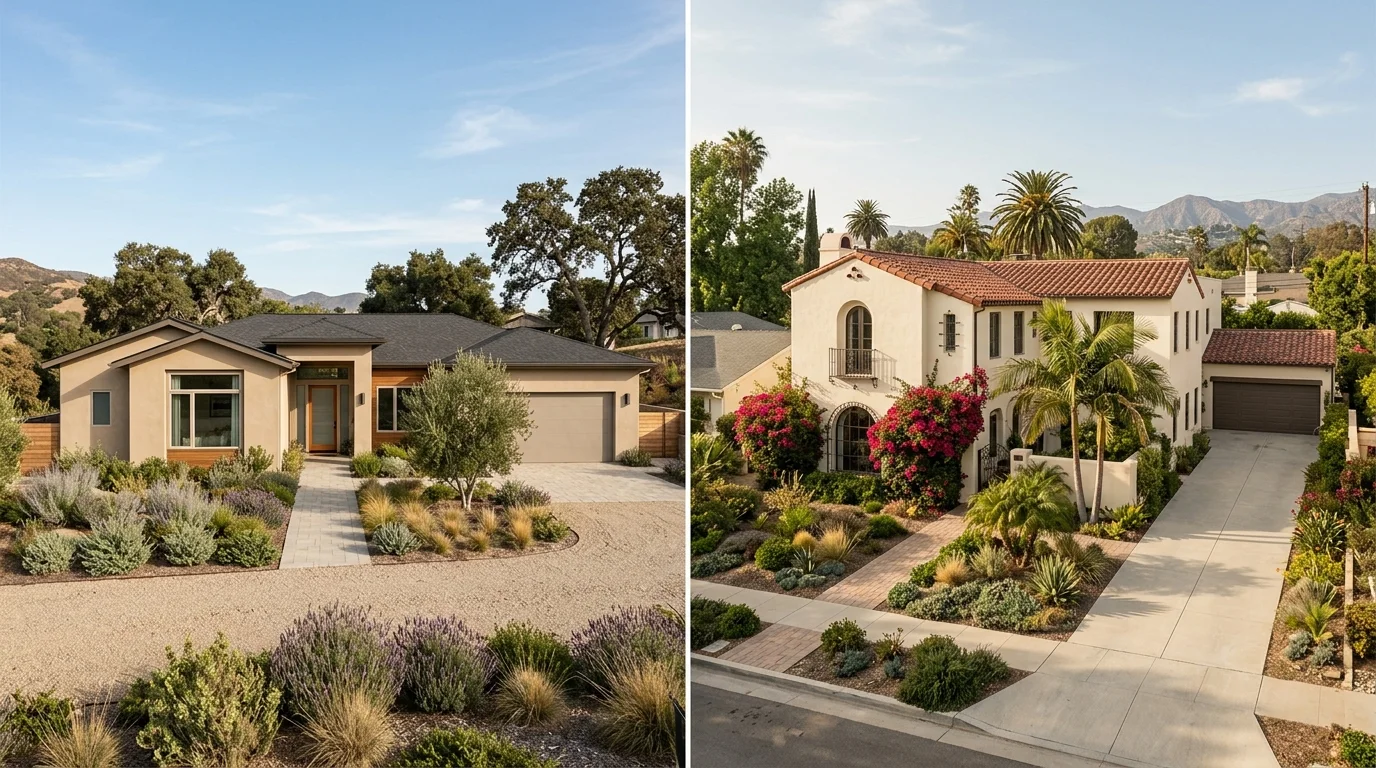
Compare factory construction with site-built work
A modular home is factory-built housing under California law. Much of its construction happens away from the parcel. The resulting units or components are then assembled onsite. That’s different from a conventional site-built path, where the home’s structure is constructed on the property.
Modular also doesn’t mean manufactured. California treats those as different categories. A manufactured home is built on a permanent chassis and follows federal manufactured-home standards when constructed after June 15, 1976. Modular housing follows California building standards instead. Our factory-built home terminology guide explains those labels in more detail.
When comparing proposals, ignore the label for a moment. Compare the completed project described on paper. One proposal may cover only the factory package. Another may combine the home with substantial site work. A site-built proposal can also exclude major items. The construction method alone doesn’t reveal the complete scope.
Ask both companies to mark each item as included, excluded, or undecided. Cover the foundation, transportation, onsite assembly, grading, utilities, drainage, exterior steps, access work, finish work, cleanup, and landscaping. Don’t assume an item is included because it appears in a rendering.
The modular and prefab homes guide can help you organize the modular side. For a fair comparison, give each provider the same parcel information and finish expectations. Compare matching outcomes, not an incomplete factory package against a finished site-built proposal.
Match each path to the lot and jurisdiction
Test the parcel before comparing floor plans. A design can look suitable online while leaving basic site questions unanswered. Start with the parcel’s jurisdiction, access route, usable building area, utility locations, topography, staging space, and proposed home position.
Make the review specific to San Diego County. Trace the actual route from I-5, I-8, or I-15 to the property. Then inspect the final streets and turns. Record narrow approaches, overhead obstructions, slopes, gates, and possible staging areas. Ask the modular provider which conditions affect transportation and assembly. Ask the site-built team how those same conditions affect material deliveries and onsite work.
Don’t reuse one unchecked assumption across Encinitas, El Cajon, Chula Vista, and Valley Center. Take the parcel address to the authority responsible for that exact property. If San Diego County handles the parcel, start with Planning & Development Services. If a city handles it, ask that city’s building or planning department.
Request written answers about the proposed project. Ask whether the home type is allowed, which approvals apply, and what site information reviewers need. Also ask about setbacks, height, grading, drainage, fire access, utility connections, and any location-specific review. These are questions for the authority, not assumptions for a seller to settle verbally.
Permit rules and fees depend on the parcel, project, and reviewing jurisdiction. Get current requirements and charges from the agency reviewing the parcel before treating either construction path as feasible.
Separate factory scope from site scope
Buying a modular home involves more than selecting the factory-built portion. The full project can involve a manufacturer, dealer, transportation provider, onsite contractor, installer, utility professionals, designer, engineer, lender, and public agency. Your documents should show who handles each part.
Build a responsibility table before signing. Put every task in one column, then name the responsible company and controlling agreement. Include design revisions, factory specifications, transportation planning, site access, foundation work, assembly, exterior connections, utilities, interior completion, inspections, cleanup, and final corrections.
Avoid vague labels such as “site work included.” Ask the issuer to list exactly what that phrase covers. Also ask what happens when field conditions differ from the documents used for the proposal. The answer should identify who investigates the condition, who approves a change, and who provides the revised price.
Pay close attention to the handoff between factory and site responsibilities. Ask who confirms dimensions before production. Identify who checks the foundation against the approved home documents. Name the party responsible for coordinating delivery access and onsite assembly. If two companies point at each other, the contract package isn’t ready.
Use the same discipline with a site-built proposal. Separate design, permitting support, site preparation, structure, finishes, utilities, and exterior work. The buying and placement process offers a broader framework for organizing those decisions.
The best comparison is one where every line has an owner. Any item marked unknown should become a written question before you commit.
Compare contracts, financing, and change orders
A lower headline figure doesn’t prove a lower completed-project cost. The underlying scopes may be different. Request itemized proposals built around the same home requirements, parcel information, finishes, and site assumptions.
For modular proposals, separate factory and site documents. Identify each contracting party and the payment recipient for every part. Check whether transportation, assembly, foundation work, utilities, finish work, and corrections appear in a signed agreement. Our guide to modular home contracts in San Diego provides more questions for this review.
Send the actual contract package to the lender. Ask the lender to explain in writing how it evaluates the land, factory portion, site work, payment sequence, appraisal documents, and completed home. Don’t rely on a seller’s description of financing. The lender sets its own terms and decides which documents it will accept.
Compare change-order language before comparing design options. Ask what counts as a change, who may authorize one, and when the buyer receives its written price. Check how the contract handles substitutions, unavailable selections, site discoveries, design revisions, and work assigned to another company.
No standard change-order cap or financing term for this comparison could be confirmed. Treat verbal figures as preliminary until the company or lender responsible for them provides written terms.
Create a final comparison sheet using contract language. List the signed price, allowances, exclusions, undecided items, payment conditions, and change process. Don’t combine figures from unrelated documents unless the responsible parties confirm how those agreements fit together.
Confirm permits and warranties with each issuer
Permit language can sound reassuring while remaining unclear. Don’t accept “approved” without asking what was approved, who issued it, and which project document carries that approval.
Because modular housing is produced offsite and assembled onsite, ask which documents address the factory portion and which address the parcel. Take those documents to the reviewing agency. Confirm the current submission path, required reviews, fees, and inspection sequence directly with that authority.
Be careful when a proposal switches between modular and manufactured-home language. The legal categories aren’t interchangeable. If the proposal identifies a manufactured home, California HCD’s manufactured and mobilehomes page is a starting point for regulator information. HCD also publishes occupational licensing information concerning manufactured-home dealers and salespeople.
Warranty questions need the same issuer-by-issuer approach. Ask the manufacturer, builder, dealer, installer, and site contractor whether each offers a warranty. Request the terms directly from the named issuer. Check what work is covered, what is excluded, how claims are submitted, and whether another company’s work affects coverage.
No common warranty coverage for modular and site-built projects could be confirmed. Don’t treat a salesperson’s summary as the warranty itself. Keep the issued documents with the signed contracts and approved plans.
Land & Home SD is a referral service. It doesn’t build homes, perform installations, issue permits, or provide warranties. The buyer contracts with each professional directly.
When to call us
This decision is worth a conversation before you select a home, sign a contract, or commit to a parcel. Call us at (858) 400-4608 and we’ll walk through your options and connect you with a licensed local dealer.