Searching for Imperial Beach CA mobile homes for sale starts with five checks. Confirm the location, land arrangement, condition, title documents, and park terms before offering. These details tell you far more than the listing headline.
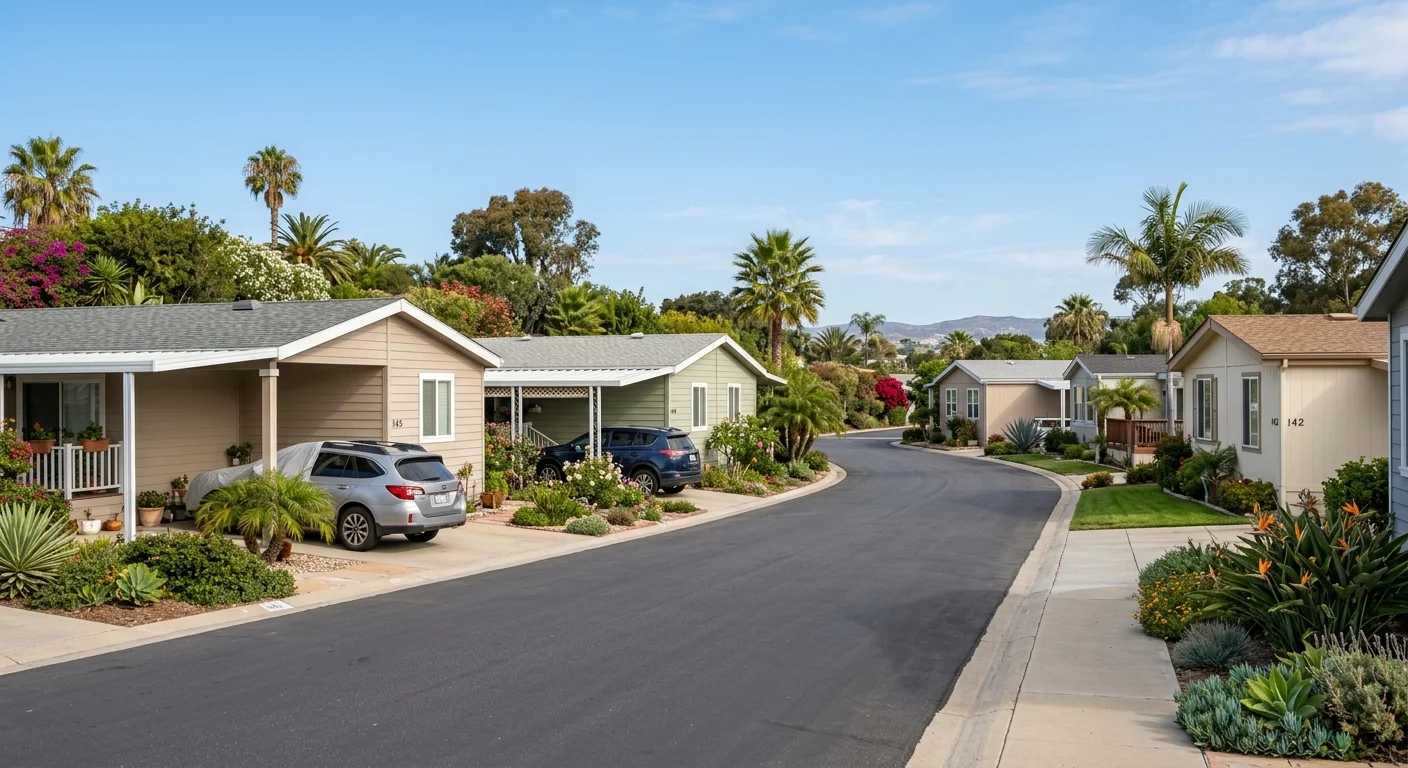
Imperial Beach is a small coastal South Bay city. That makes a precise address and inspection scope especially important. Start with current manufactured and mobile homes for sale, then verify each listing independently.
Confirm the listing is actually inside Imperial Beach
Treat “Imperial Beach” in a listing as a search label, not proof of jurisdiction. Start with the complete street address and parcel information. Match those details across the listing, seller disclosures, title documents, and any official property record available to you.
A map pin isn’t enough. Neither is a nearby landmark or an agent’s verbal description. Ask the listing agent to identify the city or county jurisdiction in writing. If the available records conflict, ask the appropriate local planning office to confirm which agency governs the parcel.
That distinction matters when a listing discusses placement, replacement, additions, or other permitted work. The responsible agency needs to answer those questions. Don’t rely on a neighboring property, an old advertisement, or an online summary.
Also separate the property’s location from its mailing language. Your goal is to know exactly what you’re considering and which authority controls the site. Save the source used for confirmation with your other transaction records.
For a home inside a park, confirm the park’s physical address as well. Then ask whether the advertised unit number matches the home, title paperwork, and park records. A mismatch doesn’t explain itself. It needs review before you sign or transfer money.
If the seller can’t provide a complete address or supporting documents, slow down. Ask a real estate or title professional what must be verified. Buyers searching for affordable manufactured homes in Imperial Beach, CA, still need the same location checks as any other buyer.
Separate park homes from homes sold with the land
Two Imperial Beach listings can describe similar homes while offering different transactions. One may involve the home in a park. Another may include both the home and the underlying parcel. Don’t infer the arrangement from photos, price, yard space, or listing categories.
Ask one direct question: does the sale include the land? Get the answer in writing. Then compare it with the purchase agreement, title material, and other seller documents. If the land isn’t included, ask park management what right allows the home to occupy its space.
For a park home, request the current written space agreement and every rule provided to prospective buyers. Ask which charges belong to the home sale and which belong to ongoing occupancy. Don’t combine the home’s purchase terms with the park’s recurring charges.
For a land-included listing, ask a qualified professional to review the parcel and home documents together. If the seller describes the home as permanently affixed, request the permit and recorded documentation supporting that description. Don’t accept “permanent foundation” as a complete answer by itself.
California law uses specific definitions. A qualifying structure built before June 15, 1976 is a mobilehome. A qualifying structure built on or after that date is a manufactured home. Modular housing falls under California’s separate factory-built housing definition. Listing websites may use these words loosely, so verify what the documents actually identify.
Our guide to the buying and placement process can help you organize these questions. Land & Home SD explains the decision points and refers buyers to licensed, independent local professionals. We don’t sell homes, hold inventory, or perform installation work.
What coastal proximity changes about the inspection
Coastal proximity should change your inspection questions, not your conclusion. Don’t assume a home has damage because it’s near the ocean. Don’t assume fresh paint or a clean interior proves the home is sound either.
Hire a qualified inspector who understands manufactured homes. Ask the inspector to consider the home’s specific coastal exposure and maintenance history. The inspection scope should be agreed upon before the appointment.
Have the inspector examine accessible exterior metal, siding, fasteners, roof edges, windows, doors, supports, and utility connections. Ask them to document visible corrosion, staining, gaps, soft areas, or past repairs. The inspector should explain which findings need added review from an appropriately qualified professional.
Moisture deserves the same careful approach. Ask about visible signs around windows, doors, plumbing areas, the roofline, and accessible areas below the home. A buyer can photograph a concern, but shouldn’t diagnose its source from appearance alone.
Review drainage around the site as well. Record where water appears to flow and whether standing water is visible during your visit. Park management, the seller, and the inspector may each hold different information. Ask for written records instead of relying on memory.
The inspection should also compare the physical home with the listing. Confirm the apparent sections, additions, porches, carports, and exterior structures. Ask for supporting permit information when the seller represents an alteration as approved. The correct permitting authority must confirm current requirements.
Use our manufactured home inspection checklist before the visit. It helps you prepare questions without replacing professional judgment. Keep the report, photographs, repair records, and seller responses together before deciding what to offer.
Check title, registration, and park approval before you offer
Start with the home’s legal identity. Ask the seller for current title and registration documents, then compare the owner name and home description with the proposed contract. California manufactured-home registration and titling are handled by the Department of Housing and Community Development, not the DMV.
For used manufactured homes, California law describes an escrow process involving the current registration card and certificate of title. Lienholders may also need to release their interests or approve an assumption. Let the escrow and title professionals explain which documents apply to your transaction.
Use the HCD registration and titling page as the regulator’s starting point. Ask HCD or your escrow professional how to confirm current status. Don’t rely on an unofficial checklist for a form, transfer rule, or filing requirement.
If the home is in a park, contact park management before making an unconditional offer. Ask whether buyer approval applies to that space. If it does, request the current application, required documents, decision process, and park rules in writing.
Don’t assume an accepted home offer also grants park occupancy. Structure your offer with advice from your agent, attorney, or other qualified professional. The contract should address any approval or document review that must occur before you’re committed.
Dealer status deserves independent confirmation too. California HCD enforces occupational licensing for manufactured-home dealers and salespeople. Start with HCD occupational licensing, then ask HCD how to confirm a person’s current status. Land & Home SD can connect you with licensed local manufactured-home professionals, but you’ll contract and pay the chosen professional directly.
Pause if names, identifiers, ownership documents, or approval terms don’t match. A verbal explanation isn’t a substitute for corrected paperwork. Resolve the inconsistency through the responsible professional or agency before funds become nonrefundable.
Confirm current space rent and park rules in writing
A park listing’s advertised price doesn’t describe the full occupancy arrangement. Ask park management for the current space rent tied to that home. Request the figure, effective date, included items, separate charges, deposit terms, and payment instructions in writing.
Land & Home SD doesn’t set park rent or publish an assumed Imperial Beach rate. Park management sets the applicable amount, so confirm it directly before you offer.
Use the same discipline with future changes. Ask management which written documents govern adjustments and notices. Don’t let a seller, neighbor, or old listing answer for the park. If a quoted amount differs from the park’s written statement, get the conflict resolved.
Read every current park rule you receive. Focus on the terms that affect your intended use. That may include occupancy, pets, parking, guests, exterior work, home alterations, maintenance responsibilities, and resale procedures. Ask management which rules apply instead of assuming a restriction or permission.
Check whether the documents provided to you are complete and current. Look for missing pages, referenced attachments, blank schedules, and unsigned revisions. Keep copies of the exact versions you reviewed.
Our space rent buyer guide provides a practical review framework. It doesn’t replace the park’s documents or professional advice. The goal is to compare the home, occupancy terms, and recurring obligations as one decision.
Before signing, write down every unanswered question. Assign each one to the seller, park management, escrow professional, inspector, dealer, or government agency responsible for the answer. Don’t fill a missing fact with an estimate.
When to call us
Talk with Land & Home SD before you commit if the land status, title, park approval, or inspection findings remain unclear. It’s also worth a conversation when two Imperial Beach listings have terms that are difficult to compare. Call us at (858) 400-4608 and we’ll walk through your options and connect you with a licensed local dealer.