If you’re searching for mobile homes for sale in Vista, CA, treat every result as a lead to verify. The city name, land arrangement, title status, and park terms can each change what you’re actually considering.
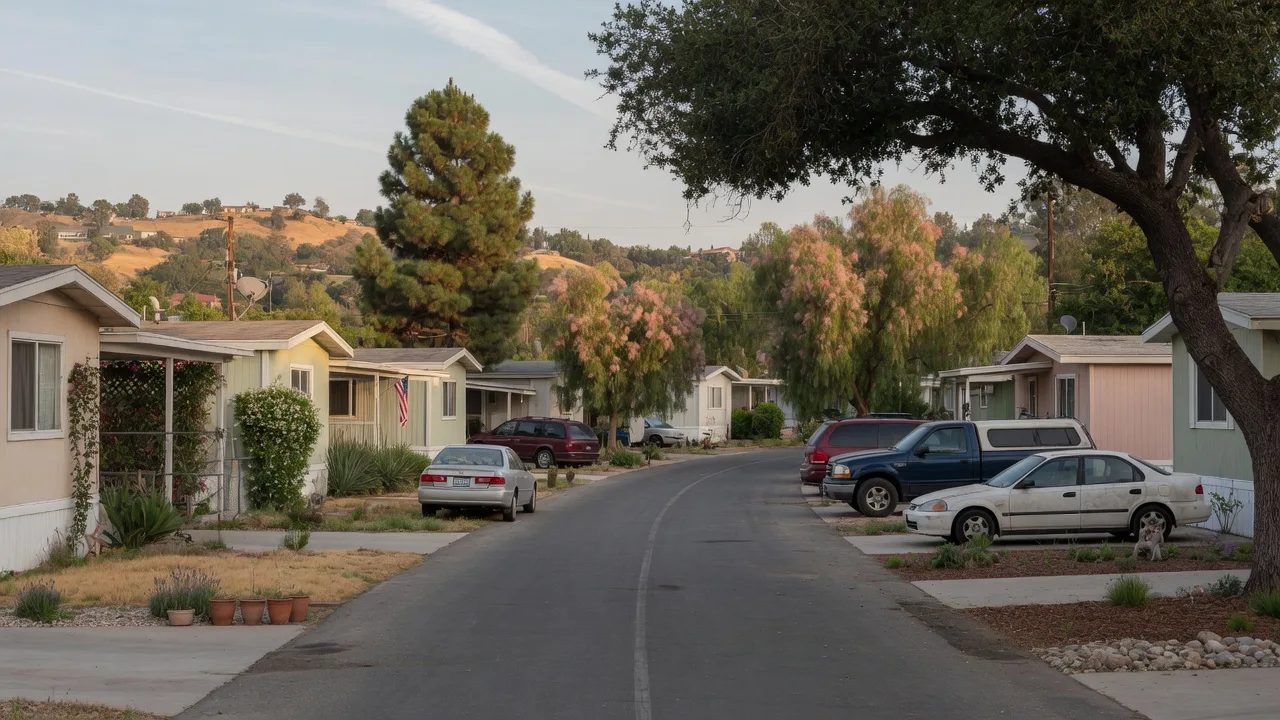
Confirm whether the address is in Vista
Start with the full street address, not the listing headline. Search tools may group Vista with Oceanside, San Marcos, Hidden Meadows, and other nearby North County locations. “Near Vista” doesn’t confirm the city or governing jurisdiction.
Ask the seller or listing contact for the complete address. Then compare it with current public records. Confirm whether the property sits within Vista or in an unincorporated area. That distinction matters when you need the correct planning or permit office.
Don’t rely only on the mailing city shown in an advertisement. Ask the appropriate city or county office which agency has jurisdiction. For an address outside an incorporated city, San Diego County Planning & Development Services is the approved starting point for current zoning and permit information. Its published material shouldn’t be treated as a substitute for an address-specific answer.
Also confirm that every document uses the same location. Compare the advertised address with the title documents, park paperwork, tax records, and inspection report. If one record uses a different space number, parcel description, or city, pause and ask for an explanation.
Save copies of the records used to confirm the location. A map pin or verbal description isn’t enough for a purchase decision. You want the address and jurisdiction settled before comparing financing or making an offer.
This step also keeps your search focused. If a property is actually in Oceanside, use the Oceanside first-tour checks. For a San Marcos address, compare the park-or-land questions for San Marcos.
Separate park homes from homes sold with land
A Vista search can include very different ownership arrangements. Before comparing homes, establish whether the sale includes land, a home on leased space, or another documented interest.
Ask one direct question: “What exactly transfers to the buyer?” Get the answer in writing. Then compare it with the title, purchase agreement, park documents, and property records.
For a home in a park, request the current documents from park management. Ask management to confirm the space arrangement, application process, occupancy conditions, charges, and rules. No current Vista space rent or park charge could be confirmed from the approved sources for this guide. Obtain the exact figures and effective dates directly from management before offering.
For a home advertised with land, confirm the parcel and the home’s legal status. Don’t assume a yard, driveway, or permanent-looking installation means the land is included. Ask a qualified title professional to identify what the seller owns and what the transaction transfers.
California law also distinguishes a mobilehome from a manufactured home by construction date. A mobilehome was built before June 15, 1976. A manufactured home was built on or after that date and must meet the applicable federal construction standards. Ask for records showing the home’s construction date rather than relying on the listing’s wording.
A manufactured home installed on a foundation system may no longer be registered by California HCD. The agency advises checking that registration was canceled and the individual property record was completed. That guidance doesn’t establish the status of any particular Vista home. Confirm the actual record through a title professional and California HCD registration and titling.
Our manufactured homes for sale guide explains how Land & Home SD helps buyers compare these paths.
Compare locations near SR 78 and I-15
Location comparisons around Vista shouldn’t stop at mileage. A home near SR 78 may suit one routine, while a location toward I-15 may suit another. Test each address against the trips you’ll make regularly.
Use current mapping tools at the times you expect to travel. Check routes to work, school, medical care, groceries, and family. Don’t copy another buyer’s travel estimate. Road conditions and starting points can change the result.
Visit the address more than once when practical. Listen from inside and outside the home. Note nearby roads, shared drives, slopes, parking access, and the route into the community. These are observations to make in person, not details to infer from listing photos.
For park properties, ask management where guests may park and which spaces belong to the home. Request written confirmation of any parking, vehicle, pet, age, or occupancy terms that affect your household. This guide can’t confirm the current rules of any individual Vista park.
For land-included properties, compare the advertised boundaries with title and parcel information. Ask the correct planning office about the address before relying on a proposed addition, replacement, or change in use. County guidance for eligible manufactured homes on private lots applies only within County jurisdiction. It isn’t a universal rule for incorporated cities.
Keep Vista, Oceanside, San Marcos, and Hidden Meadows results in separate notes. This prevents a nearby listing from being evaluated under the wrong jurisdiction or location assumptions.
Review title, park, financing, and inspection records
A strong offer starts with documents. Ask for them early enough to read, question, and compare before a deadline controls the decision.
For a used manufactured home resale, California law calls for the current registration card, title certificate, and registration cards held by junior lienholders to enter escrow. Legal owners and junior lienholders must provide the required release or assumption statements. Ask the escrow or title professional what documents apply to the specific home.
California HCD, not the DMV, handles manufactured-home registration and titling. Use the agency’s records and consumer guidance when checking a home. Don’t accept a seller’s summary as proof that ownership, liens, taxes, and registration are clear.
Your review should cover four separate areas:
- Title: Ask who owns the home, whether land transfers, and whether liens or unresolved record issues appear.
- Park: Request current rules, charges, application materials, and the proposed space agreement directly from management.
- Financing: Give the lender the exact home, location, land arrangement, construction date, and title status.
- Inspection: Hire an appropriate independent professional and request a written report describing observed conditions.
HUD states that its Title I program may finance a manufactured home, a lot, or both. It also allows a home to be classified as personal property or real estate. That doesn’t promise approval, rates, or terms for a Vista purchase. Ask each lender what it requires for the exact property.
If a dealer or salesperson is involved, start with the HCD occupational licensing page. Ask HCD how to confirm current license status. Don’t rely on a logo, business card, or verbal claim.
An inspection doesn’t replace title, park, or financing review. Each professional answers a different question. Our buying and placement process can help you organize those conversations.
Confirm current terms before you offer
Build your offer from current written terms. Listing text can become outdated, and an informal conversation may leave important conditions unclear.
Ask the seller or representative to identify the home’s exact sale terms. Confirm what stays with the home and what doesn’t. Request written clarification for appliances, sheds, porches, parking arrangements, furnishings, or other items mentioned during a tour.
For a park home, contact management directly. Confirm the current application steps, occupancy terms, recurring charges, deposits, and community rules. Ask which terms could change before closing. This guide doesn’t publish Vista park prices because no verified current figures were available in the approved claims ledger.
For a land-included home, ask the title professional to confirm the parcel and ownership structure. If you plan construction, replacement, utility work, or a new foundation, take the address and proposal to the governing office. Don’t assume a past installation establishes approval for future work.
Send the property details to your lender before treating financing as settled. The home type, construction date, title status, foundation status, and land arrangement may shape the lender’s review. Ask for unresolved conditions in writing.
Create a final comparison sheet for every Vista property. Include the confirmed jurisdiction, ownership arrangement, title documents, park terms, financing conditions, inspection findings, and open questions. Mark an item complete only when you have supporting records.
Land & Home SD doesn’t sell homes, hold inventory, set prices, or perform installations. We help buyers understand the choices and connect with licensed independent local professionals. The consultation is free to buyers and carries no obligation.
When to call us
A conversation makes sense before you commit when the address, land arrangement, title status, or park terms remain unclear. Land & Home SD can help you identify the questions to take to the seller, management, lender, title professional, or public office.
Call us at (858) 400-4608 and we’ll walk through your options and connect you with a licensed local dealer.