For mobile home parks in San Marcos, CA, start by verifying the address, park terms, title records, and every charge. Search labels and listing descriptions aren’t enough for a purchase decision. Get each important answer from the park, seller, regulator, or public office in writing.
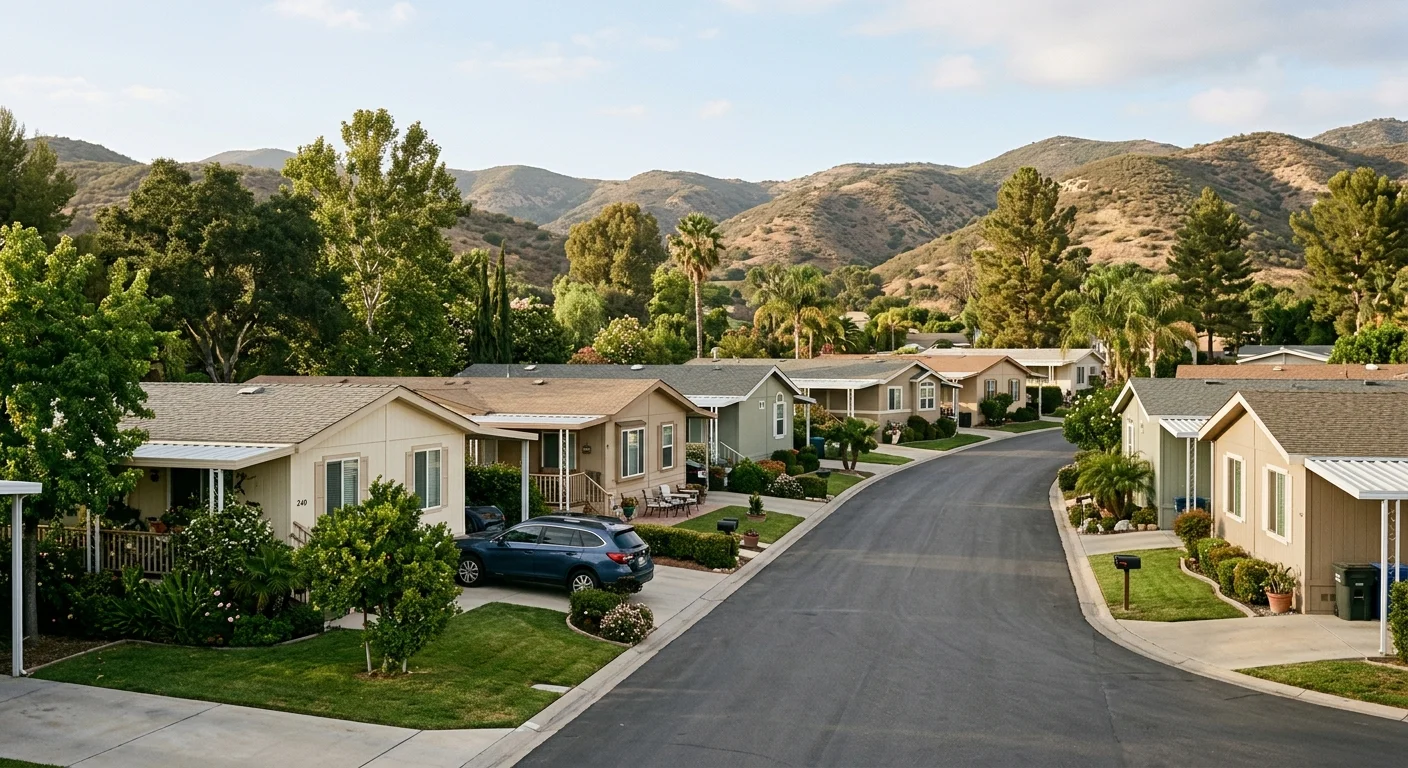
Separate San Marcos from Lake San Marcos results
A result labeled “San Marcos” doesn’t settle the home’s exact location. The same applies when a listing uses “Lake San Marcos.” Treat each name as a search clue, not proof of jurisdiction or park identity.
Begin your comparison with the complete property address supplied by the seller. Record the park’s legal or operating name exactly as management provides it. Then ask which public office has authority over that address.
If the address appears under Lake San Marcos, don’t automatically file it with City of San Marcos results. Ask the park and the relevant public office to confirm the jurisdiction. San Diego County Planning & Development Services is an approved starting point for county planning and zoning questions. Staff can confirm whether their office handles the address or direct you elsewhere.
Use a separate worksheet for every property. The first lines should include:
- The complete address from the seller
- The name used by park management
- The jurisdiction confirmed by a public office
- Whether the offer concerns the home, land, or another interest
- The date each detail was confirmed
That last distinction matters before comparing listings. A park purchase and a home placed on private land are different decisions. Our guide to San Marcos park and private-land choices helps buyers frame that comparison.
Don’t rank a home until its location is settled. Otherwise, you may compare properties using the wrong office, park terms, or placement assumptions.
Verify each park’s location and current status
Verify each San Marcos park’s current name, address, operating status, age rule, charges, amenities, and contact details with park management and the appropriate public office.
Start with the address, then contact park management through information you independently confirm. Ask the seller where the contact information came from. Compare that answer with a current public record or the regulator’s published resources.
Ask management to confirm the park’s current name and address in writing. Also ask whether it’s accepting buyer applications for the home you’re considering. A listing’s presence online doesn’t confirm that the park’s status or procedures remain unchanged.
Your verification notes should show who supplied each answer. Separate the seller’s statements from management’s statements. Keep public-office confirmations in their own column. Save copies of written replies and note the date received.
Ask direct questions before scheduling a second visit:
- Is this home currently located inside the named park?
- Is the address shown in the listing complete and current?
- What written process applies to a prospective buyer?
- Who can confirm the park’s current rules and charges?
- Which public office handles questions tied to this address?
Don’t substitute an online map pin for written confirmation. An unreadable sign, shortened address, or reused community name can send the search in the wrong direction.
Land & Home SD doesn’t operate or represent mobile home parks. We help buyers organize the decision and connect with licensed independent manufactured-home professionals. Park approval, written terms, and property-specific facts must come from the parties responsible for them.
Compare age rules and written park terms
Don’t rely on an “all-age,” “family,” “senior,” or “55-plus” label without current written support. Ask management to explain the rule that applies to every proposed occupant.
Request the current written park terms before making your comparison. Read the documents management gives prospective residents. Then match each requirement to your household rather than relying on a listing summary.
Ask management to address these points in writing:
- How is the community currently described?
- What occupancy rules apply to each household member?
- What documents must an applicant provide?
- Does management use a separate application?
- Which rules apply to guests, parking, pets, and home changes?
- When were the documents supplied to you last updated?
These are requests for confirmation, not statements about a particular park. If management won’t provide a written answer, mark the item unresolved. Don’t fill the gap with a salesperson’s memory or an old advertisement.
California Civil Code Chapter 2.5 is known as the Mobilehome Residency Law. It applies to mobilehome park residency, not manufactured homes on private land. Get current legal information from the responsible state authority or qualified counsel before relying on an interpretation.
Compare the written rule with your actual plans. Include every person who may occupy the home. Also discuss recurring guests, vehicles, pets, and proposed exterior changes. A broad marketing label won’t answer those property-specific questions.
Keep the rule packet with your dated notes. If a later document conflicts with it, ask management which version controls before committing.
Review title, financing, and inspection records
Park approval doesn’t replace title, financing, or inspection review. Work through these checks as separate tracks. A favorable answer in one area doesn’t settle the others.
Under California law, a “mobilehome” was constructed before June 15, 1976. A “manufactured home” was constructed on or after that date and meets the state definition. Manufactured homes built after June 15, 1976 must comply with the federal manufactured-home construction and safety standards.
Don’t assign either label from the listing headline alone. Ask the seller and licensed dealer to identify the home correctly and show the records supporting that description.
California HCD handles manufactured-home registration and titling, not the DMV. For a used-home resale, state law calls for the current registration card, title certificate, and junior lienholder registration copies to enter escrow. Lienholders must also provide the required release or assumption statement.
Use the HCD registration and titling page to reach the regulator’s current resources. Ask HCD, escrow, and the licensed professional handling the transaction what applies.
Next, ask the lender to review the specific home, title status, park arrangement, and proposed transaction. Don’t assume a general preapproval covers that property. Ask for any financing conditions in writing before removing protections from an offer.
Review available inspection and repair records with a qualified professional. Ask about the home’s structure, systems, alterations, and installation records. If a record can’t be produced, label it missing rather than assuming the work was approved.
Our buying and placement process explains how these decisions fit together. Buyers still comparing inventory can also review manufactured and mobile homes for sale.
If a dealer or salesperson participates, HCD enforces occupational licensing in this field. Use HCD’s occupational licensing page for current regulator guidance.
Confirm every charge with park management
Don’t build a budget from the advertised home price alone. Ask park management for a dated, written explanation of every current amount connected to your proposed purchase and occupancy.
Start with the amount described as monthly space rent. Ask what that figure includes and excludes. Don’t assume utilities, parking, storage, pets, amenities, or other items are included unless the written terms say so.
Your request should ask management to identify:
- Every amount due before occupancy
- Each recurring charge after occupancy
- Items billed by the park
- Items billed by another provider
- Deposits or application-related amounts
- Optional charges and the choice that triggers them
- Scheduled changes already disclosed for the home
- The date through which the quoted amounts remain current
This checklist doesn’t mean every park uses each category. It keeps an unasked question from becoming an unexpected cost. If an item doesn’t apply, ask management to mark it that way.
Compare the written schedule with the seller’s listing and your projected payment. If the documents disagree, pause and request a corrected explanation. Don’t choose whichever number makes the deal look easier.
Ask who sets each charge and where questions should go. If another provider controls an amount, confirm it with that provider. Keep those responses with the park documents and title records.
Our mobile home lot-fee buyer checklist gives you a structured way to organize the questions. It doesn’t replace the current written terms for a specific San Marcos property.
Land & Home SD doesn’t set park charges, collect park payments, or promise what management will approve. We help buyers compare the information and find licensed local professionals for the manufactured-home side of the purchase.
When to call us
A conversation helps when the park name, title records, financing terms, or written charges don’t line up. It’s also useful before you commit to a home that still has unanswered park-specific questions.
Call us at (858) 400-4608 and we’ll walk through your options and connect you with a licensed local dealer.