
Yes, a manufactured home needs its own insurance policy, and it isn’t the policy your neighbor’s site-built house carries. Manufactured and mobile homes get written on an HO-7 form, a policy built specifically for factory-built housing rather than a modified version of a standard homeowners policy. In San Diego County, that policy has to account for things a coastal tract house rarely deals with: backcountry wildfire exposure, older single-wide construction some insurers won’t touch, and a park lease that may set its own liability minimum. What you pay and what’s actually covered depends on where the home sits, how old it is, and whether you own the ground under it.
Here’s what an HO-7 policy covers, what it leaves out, what it costs across the county, and how your park or your lender decides how much coverage you need.
What does manufactured home insurance actually cover?
An HO-7 policy bundles five coverage types into one form: the dwelling itself, other structures like a carport or storage shed, personal property inside the home, personal liability, and loss of use if you have to live elsewhere during a covered repair. Personal property works the opposite way. It’s covered on a named-perils basis, so only the hazards actually listed, fire, windstorm, hail, theft, vandalism, get paid out.
That distinction matters more than it sounds like it should. A homeowner who assumes “my stuff is covered the same way my house is” can find out otherwise after a claim gets denied for a peril that wasn’t on the list. Read the named-perils section before you sign, not after something happens.
What’s excluded, and what do San Diego buyers usually need to add?
Two things are missing from almost every standard HO-7 policy: flood and earthquake. Neither is optional to think about here. Low-lying areas near the San Diego River, the Sweetwater River, and coastal floodplains carry real flood exposure, and a standard policy won’t pay a cent toward it. If your home sits in or near a mapped flood zone, you’ll need a separate flood policy, either through the National Flood Insurance Program or a private flood carrier that writes manufactured home coverage.
Earthquake works the same way. The California Earthquake Authority sells a manufactured home earthquake endorsement, but only through an insurer that already writes your base residential policy and participates in the CEA program. It’s an add-on decision worth making on purpose, not one to skip because nobody mentioned it at closing.
How much does manufactured home insurance cost in San Diego County?
San Diego County adds its own variables on top of that baseline.
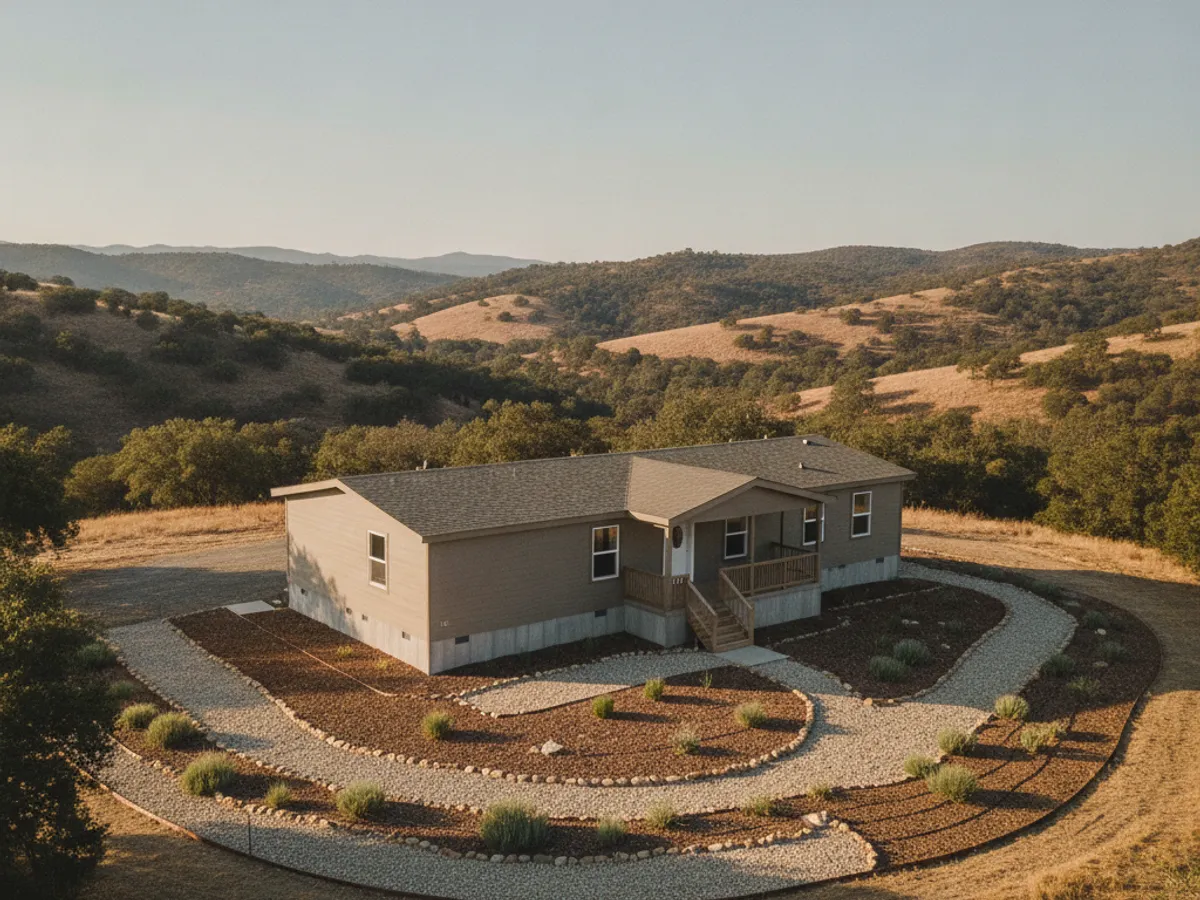
A few things move your number more than anything else. The home’s age and construction matter first. A pre-1976 home built before the HUD code took effect is harder to insure and usually costs more, when an insurer will write it at all. Replacement cost drives the number directly, since a full rebuild estimate for a larger, newer home costs more to insure than a smaller resale unit. Where the home sits counts too. A home in a mapped wildfire zone, common across Ramona, Julian, and the Valley Center backcountry, typically pays more than the same home in a coastal or urban park. Your deductible choice and claims history round out the list, the same way they would on any home policy.
Does a mobile home park require you to carry insurance?
Most San Diego County park leases require a minimum amount of personal liability coverage, and some require proof of an active policy before you can move in or renew your space agreement. Ask the park office for the exact minimum in writing before you shop for a policy, since it varies park to park and isn’t something a generic online quote will know to ask about.
Lenders add their own requirement on top of whatever the park asks for. A chattel lender, the kind who finances most park-placed homes, requires an active policy for the life of the loan, the same way an auto lender requires coverage on a financed car. A real-property mortgage on a home placed on owned land, the kind covered in how a mortgage works on a manufactured home, carries the same hazard insurance requirement any site-built mortgage would. Either way, the loan doesn’t close, and doesn’t stay in good standing, without proof of coverage on file.
Replacement cost or actual cash value: which should you pick?
Replacement cost coverage pays what it actually takes to rebuild your home today, materials and labor included, with no deduction for age or wear. Actual cash value pays replacement cost minus depreciation, which on an older single-wide can leave you well short of what a new comparable home would cost.
If you’re comparing an older resale home against a newer one, factor the insurance ceiling into your decision alongside the purchase price. We break down how that construction-date line affects financing too in manufactured versus modular versus mobile versus prefab.
How does San Diego’s wildfire risk change your insurance options?
Placing a home on private land in the backcountry, the subject we cover in buying manufactured home land in San Diego’s backcountry, often means insuring in a market tighter than what a coastal buyer deals with. Admitted insurers can and do decline coverage in higher fire-risk zones. Once you’ve been turned down by two admitted carriers within the past year, you become eligible for the California FAIR Plan, the state’s insurer of last resort.
It doesn’t cover theft, liability, or water damage, which means most FAIR Plan policyholders also carry a separate difference-in-conditions policy to fill those gaps. If you’re eyeing a backcountry parcel, call an insurance agent who already writes manufactured home policies in that specific area before you commit to the land, not after.
Where to start
Get a real insurance quote before you finalize a purchase, not after you’ve already signed. The quote tells you your actual carrying cost, whether the home’s age or location pushes you toward the FAIR Plan, and whether replacement cost coverage is even on the table for that specific home. That number belongs in the same conversation as your loan payment and your space rent, not a surprise you discover at closing.
Land & Home SD helps buyers across San Diego County sort out the real cost of owning a manufactured home, insurance included, alongside financing and total cost questions. Call (858) 400-4608 and we’ll walk through what your specific home and location actually need before you’re locked into a purchase agreement.
Frequently asked questions
Do I need insurance to get a chattel loan on a manufactured home?
Yes. Every chattel lender requires an active insurance policy for the full term of the loan, the same way an auto lender requires coverage on a financed vehicle. Lapse the policy and you risk default on the loan, not just an uninsured loss.
Does a regular homeowners policy cover a manufactured home?
No. Manufactured and mobile homes are written on an HO-7 policy, a form built specifically for factory-built housing. A standard homeowners policy generally won’t insure a manufactured home correctly, and some insurers won’t write it on that form at all.
Is flood insurance required for a manufactured home in San Diego?
It depends on the location, not the home type. Flood damage is excluded from a standard HO-7 policy, so if your home sits in or near a mapped flood zone near a river or floodplain, you’ll need a separate flood policy through the National Flood Insurance Program or a private carrier.
What’s the California FAIR Plan, and when would a manufactured home need it?
The FAIR Plan is California’s insurer of last resort for properties that admitted insurers have declined to cover, usually due to wildfire risk. Confirm current covered perils and limits with the FAIR Plan or a licensed agent. Most FAIR Plan policyholders still need a separate policy for liability, theft, and other gaps.
Does earthquake coverage cost extra for a manufactured home?
Yes, it’s always a separate purchase. The California Earthquake Authority sells a manufactured home earthquake endorsement through participating insurers. Ask a participating insurer for current deductible options and any building-code upgrade coverage before you treat an internet figure as your quote.
Does insurance cost more for a home in a mobile home park versus one on owned land?
Not necessarily because of the park itself, but the coverage differs. A park home’s policy centers on the dwelling, personal property, and liability, since you don’t own the land under it. A home on owned land carries the same coverage plus whatever the lender requires for the property itself, and its cost depends more on wildfire zone and replacement cost than on park versus private-land status alone.