When reviewing mobile homes for sale in El Cajon, CA, don’t let the asking price set the pace. Confirm the property’s jurisdiction, seller, title status, land arrangement, inspection findings, and written conditions before offering.
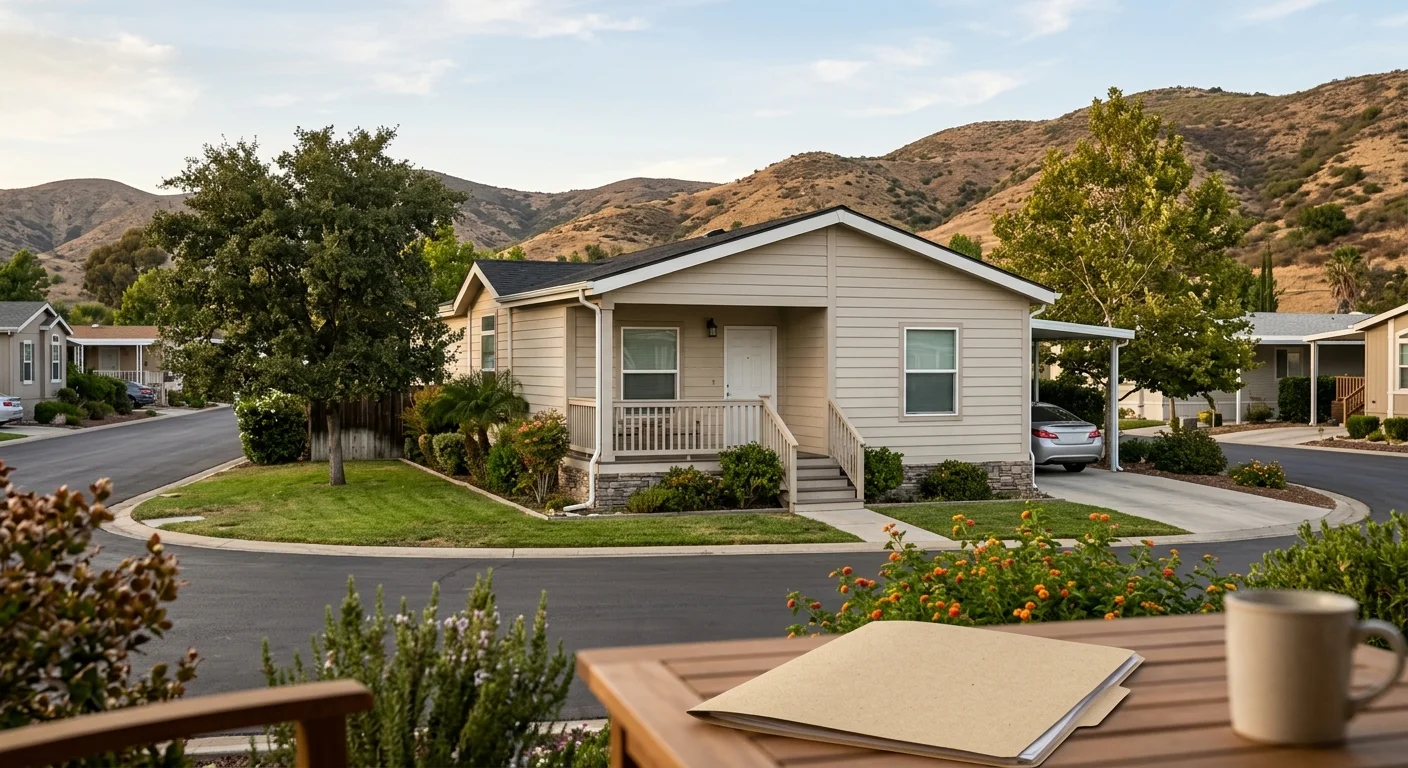
Confirm whether the address is inside El Cajon
Start with the complete property address. Don’t treat an “El Cajon” label in an advertisement as proof that the property sits within city limits.
A listing might use a familiar city name to describe its general area. That label doesn’t confirm which government has authority over the parcel. Land-use and permit questions must go to the agency responsible for the actual location.
A search phrase or place name does not establish the jurisdiction of an individual listing. Ask the seller or listing representative for the official property record supporting the stated location, then take the complete address to the relevant public agency for confirmation.
San Diego County Planning & Development Services is the county’s official destination for permit and zoning information. If county staff aren’t responsible for the address, ask which jurisdiction holds the applicable records. Keep that answer with your purchase notes.
This check matters most when a listing involves private land, an addition, or foundation work. Don’t assume that an advertisement proves the home’s placement was reviewed or that future changes will be allowed. Ask the responsible agency about the specific property and proposed use.
Write down what remains unconfirmed. That list might include jurisdiction, permit history, foundation status, or whether an addition appears in government records. An unanswered item isn’t automatically a defect. It is a reason to pause before treating the listing description as verified.
Our buying and placement process explains how these location, title, and placement questions fit together. Address confirmation comes first because every later inquiry depends on the correct property.
Match the seller to the title records
The person offering the home should be connected clearly to its ownership records. Compare the seller’s name with the documents provided for review. If the names don’t match, ask escrow to explain the difference before you commit.
California handles manufactured-home registration and titling through the Department of Housing and Community Development, not the Department of Motor Vehicles. The HCD registration and titling page is the appropriate starting point for current agency information.
For a used manufactured home, California law says escrow instructions must include the current registration card, title certificate, and registration cards held by junior lienholders. Legal owners and junior lienholders must release their interests after payment or approve a formal debt assumption.
That rule gives buyers a useful document trail. Ask escrow which records were received, whose names appear, and whether any ownership or lien issue remains unresolved. Don’t rely on a photograph of one document when escrow can review the transaction records.
A tax clearance may also enter the process when a used home is subject to local property taxation. State law allows the escrow officer to request a tax clearance or conditional tax clearance certificate from the county tax collector. Ask escrow whether that applies to this home. Don’t assume every El Cajon listing has the same tax status.
Dealer or salesperson involvement doesn’t replace title review. California HCD has authority over occupational licensing for manufactured-home dealers and salespeople. Its occupational licensing page provides the official place to begin checking a professional’s current status. If the online information doesn’t answer your question, contact HCD instead of relying on an advertisement.
Land & Home SD sells no homes and holds no inventory. We help buyers understand the questions and connect them with licensed independent local professionals.
Separate park homes from homes sold with land
A home and the ground beneath it aren’t automatically one purchase. Ask the seller to state in writing whether the offering includes land, involves a space in a mobilehome park, or combines separate interests.
Don’t infer ownership from phrases such as “private yard,” “permanent,” or “real property.” Those words don’t replace title records, land records, or written sale documents. Compare the advertisement with what escrow and the responsible agencies can confirm.
For a park listing, request the current documents governing the space. Ask for every charge, approval condition, occupancy restriction, and buyer obligation in writing. The park and the buyer’s lender must confirm the terms for that specific transaction.
California’s Mobilehome Residency Law exists and applies to mobilehome park residency. It doesn’t apply to manufactured homes on private land. The verified source doesn’t establish the specific park protections or procedures needed for this purchase, so buyers should request current governing documents rather than assume what the law provides.
For a home offered with land, ask escrow to identify exactly what appears in each ownership record. If the seller describes the home as permanently affixed, ask the relevant agency and title professional to confirm the recorded status. California has a permit and recording process for manufactured homes installed as permanent fixtures, but a seller’s wording alone doesn’t prove that process was completed.
The legal names also matter. Under California law, a “mobilehome” was constructed before June 15, 1976. A “manufactured home” was constructed on or after that date and must meet the applicable federal construction standard. Neither label tells you whether land is included.
Use our El Cajon mobile-home park checklist to organize the park-specific side of your review.
Use inspection findings before setting offer terms
An inspection should inform the offer, not sit unread in an attachment. Ask the inspector to identify observed conditions clearly and separate confirmed findings from items requiring another specialist.
Review the home by system and location. Your notes can cover the roof, exterior, interior, plumbing, electrical system, heating, cooling, supports, visible moisture, additions, and site drainage. This is a review framework, not a statement that any El Cajon home has those problems.
Match every concern to a next step. A documented condition might lead you to request more information, obtain a specialist’s opinion, change an offer term, or leave the issue unresolved until you have enough evidence. Don’t diagnose a cause from listing photos.
Also compare the physical home with the seller’s documents. Ask whether additions or alterations appear in any records provided by the responsible agency. If that can’t be confirmed, state the gap in the offer discussions. Don’t describe the work as permitted or unpermitted without official support.
A park home and a private-land home require different site questions. For a park home, ask which maintenance responsibilities belong to the homeowner and which belong elsewhere. For private land, ask the appropriate agency or professional about the foundation, utilities, and recorded status. Get answers for the actual property.
The inspection also needs context from your budget. A low asking price doesn’t establish the cost of resolving a finding. Obtain property-specific written information before assigning a dollar amount.
For a broader review framework, use the El Cajon costs before offering guide. It helps keep the advertised price separate from still-unconfirmed obligations.
Confirm financing and park conditions in writing
Financing should be checked against the exact home and ownership arrangement. Don’t assume that a general preapproval covers a specific manufactured home, park space, land interest, title status, or foundation description.
Give the lender the information it requests about the actual listing. Ask for written confirmation of any conditions that must be satisfied before funding. Only the lender can state its current requirements for your transaction.
If the home is in a park, keep the lender’s conditions beside the park’s written conditions. Ask both parties to clarify any conflict before you remove an offer condition. A seller’s summary isn’t a substitute for documents issued by the organization that sets the rule.
Request clear written answers about:
- Whether land is included in the sale
- Which names appear on the title and registration records
- Whether liens or ownership interests remain
- Which park terms apply to the prospective buyer
- Which charges are current for the specific space
- Whether the lender accepts the documented ownership arrangement
- Which inspection or appraisal items remain open
- Which statements still need agency confirmation
This checklist doesn’t establish what any park or lender must approve. It helps you identify the unanswered questions that could affect your decision.
Keep versions and dates with every document. If a term changes during negotiations, ask for a revised written copy. Don’t calculate your offer from an oral summary when the seller, park, lender, escrow officer, or agency can provide the controlling information.
Buyers still comparing listings can review our manufactured and mobile homes for sale guidance. Land & Home SD can also connect you with licensed independent local dealers who serve San Diego County.
When to call us
Call before offering when the seller, title records, park terms, or land status don’t line up. A free, no-obligation conversation with Land & Home SD can help you organize the open questions before you commit.
Call us at (858) 400-4608 and we’ll walk through your options and connect you with a licensed local dealer.