California’s permanent-foundation process requires a building permit, ownership or lease proof, lien documentation, approved foundation plans, installation instructions, and a statutory fee. After occupancy approval, the enforcement agency records a document showing the manufactured home was affixed to the real property. That recorded step can affect financing, taxation, and resale.
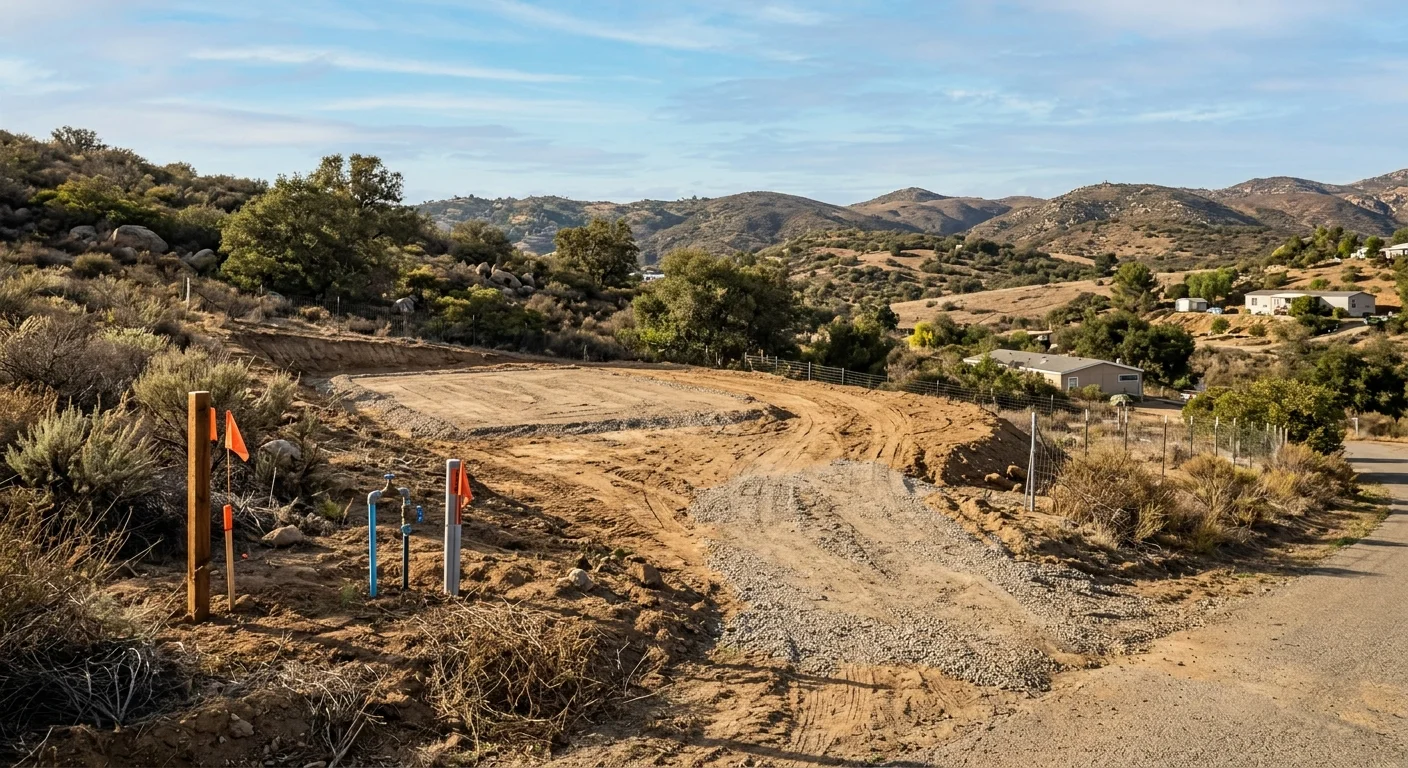
For San Diego County buyers, the best time to review this file is before applying for a loan. Missing ownership records, lienholder consent, or foundation documents can interrupt the lender’s review. The lender should also explain exactly what recorded evidence it will accept.
What a 433A foundation request means
Buyers and lenders use the term when discussing a manufactured home permanently affixed to real property. The relevant California process appears in Health and Safety Code Section 18551.
The industry calls the recorded document a 433A, but state law doesn’t use that name in Section 18551. Confirm the current form and process directly with HCD, the enforcement agency, and the lender. Don’t assume that a familiar nickname identifies every document the lender needs.
The statute focuses on the legal steps for installing the home as a permanent fixture. It also covers the recording that follows the certificate of occupancy. The lender separately decides whether those records satisfy its financing requirements.
This process can matter during a purchase, refinance, or later resale. It can also change the property’s classification and affect taxation. Anyone comparing loan paths should discuss those effects with the lender before authorizing foundation work.
For a broader look at loan preparation, read the guide to getting a mortgage on a manufactured home in San Diego. That article covers the general mortgage process. This checklist stays focused on permanent-foundation documentation.
The permit file to assemble first
California law requires a building permit before the home becomes a permanent fixture. Under Section 18551, the owner must provide several items with the permit application:
- Proof that the applicant owns the real property, or proof of a qualifying long-term lease
- A lease lasting at least 35 years, or another term mutually agreed upon
- Evidence that the manufactured home is free of liens, or written consent from each lienholder
- Foundation plans and specifications approved by HCD
- The manufacturer’s installation instructions
- The statutory fee of $11 for each transportable section
Treat that list as the starting file, not a promise of loan approval. The lender may request its own documents or impose separate conditions. Ask for the lender’s written checklist before paying for plans or scheduling installation.
Ownership or lease evidence
The land documentation must match the property involved in the application. Owners should gather their current ownership records early. A buyer relying on a long-term lease should have the lender review its terms before moving forward.
This distinction matters across San Diego County. A home planned for private land follows a different ownership setting than a home located inside a mobilehome park. The statewide statute addresses both settings, but the financing goal and supporting file may differ.
Readers preparing a parcel can review the manufactured home on private land guide and the private-land placement service. Those pages provide context for the larger placement process.
Liens and written consent
A lien can’t simply be ignored during the permanent-foundation process. The permit file needs evidence that the home is lien-free or written consent from the lienholder.
Ask the current owner to identify any recorded or documented security interests early. Then ask the lender and enforcement agency what evidence they need. If consent is required, obtain it before treating the foundation file as complete.
Foundation plans
The permit application requires foundation plans and specifications approved by HCD. This isn’t a good place for a homeowner to improvise drawings.
Ask the foundation contractor or engineer handling the project to prepare or coordinate the plans. Confirm who will submit them and how approval will be documented. Land & Home SD can connect owners with licensed, independent manufactured home professionals, but the customer contracts with and pays the professional directly.
Manufacturer’s instructions
The manufacturer’s installation instructions belong in the permit file. Locate them before the plans are finalized so the professionals can review the required installation information.
If the instructions aren’t available, don’t substitute an unofficial document. Ask the manufacturer, HCD, the enforcement agency, and the professional preparing the plans which document they will accept before the application moves forward.
The statutory fee
Section 18551 states a fee of $11 per transportable section. That figure doesn’t represent the project’s total cost.
Foundation design, installation, permits, and other transaction expenses aren’t established by the cited statute. Request written charges from each responsible party. Confirm the current statutory fee with the agency before paying it.
What happens after installation
The recording step follows the certificate of occupancy. Within five business days after receiving that certificate, the enforcement agency must record a document naming the real-property owner and showing that the manufactured home has been affixed to the property.
Keep copies of the certificate and recorded document. Provide them to the lender in the format it requests. The lender should confirm whether it needs anything else before it can finish its review.
A useful file can be organized like this:
| File item | What it establishes | Who should confirm it |
|---|---|---|
| Ownership or lease proof | The applicant’s legal connection to the land | Enforcement agency and lender |
| Lien release or consent | The home is lien-free, or lienholders approve | Lender and enforcement agency |
| Approved foundation plans | The proposed foundation has departmental approval | HCD and the project professional |
| Installation instructions | The manufacturer’s installation information is available | Project professional and enforcement agency |
| Certificate of occupancy | The installation reached the occupancy stage | Enforcement agency |
| Recorded affixture document | The home was recorded as affixed to the real property | Enforcement agency and lender |
Don’t close the file when construction ends. The recording is the step a financing reviewer may be trying to verify. Ask for a copy and compare the owner and property information with the lender’s file.
How the change can affect financing, taxes, and resale
Permanent affixture can affect whether a lender treats the transaction as real-property financing. It doesn’t guarantee eligibility, a particular loan, or approval. Each lender decides what it will accept and what other conditions apply.
Start with the site’s manufactured home financing service if you need help finding an appropriate professional. Buyers focused on a San Diego property can also review the San Diego manufactured homes page.
The conversion can also affect the property’s classification and taxation. Before proceeding, ask the appropriate tax authority how the change applies to the specific property. The guide to California manufactured home property tax provides more background without replacing property-specific advice.
Resale may be affected because the home’s classification and recorded status become part of a future transaction. Keep the permit, plans, occupancy record, lien documents, and recorded affixture document together. A future buyer or lender may ask for them.
A practical San Diego financing-readiness check
A buyer considering land in San Diego, Chula Vista, or El Cajon should complete the document review before assuming a home is ready for real-property financing. The California requirements remain the starting point, but the lender must confirm its own conditions.
Before submitting a loan application, make sure you can identify:
- Who owns the land or holds the qualifying lease
- Whether any lien affects the manufactured home
- Who will prepare and coordinate the foundation plans
- Where the manufacturer’s installation instructions are kept
- Which enforcement agency will handle the permit and recording
- What recorded evidence the lender expects
- Which costs come from the agency, lender, and hired professionals
Land & Home SD connects San Diego County buyers and owners with licensed, independent manufactured home professionals. For help finding a professional for your situation, call (858) 400-4608. Confirm the current form, process, charges, and financing requirements directly with HCD, the enforcement agency, and your lender.
Frequently asked questions
Is permanent affixture required for every manufactured home?
No. California law says local agencies generally can’t require permanent-foundation installation for homes already on private property or in a mobilehome park. Limited exceptions apply to park conversions. Owners may still pursue the process because of financing, tax classification, or resale goals.
What documents do I need before applying for the permit?
Start with ownership or qualifying lease proof, lien-free evidence or lienholder consent, approved foundation plans, and the manufacturer’s installation instructions. Section 18551 also states an $11 fee for each transportable section. Confirm the current submission procedure with the responsible agencies.
Can I prepare the foundation plans myself?
The application needs foundation plans and specifications approved by HCD. Owners should ask the foundation contractor or engineer handling the project to prepare or coordinate them. Confirm the approval path before construction begins.
Does the recorded document guarantee mortgage approval?
No. Permanent-affixture records can affect financing, but they don’t guarantee approval. Ask the lender which documents it accepts and what other conditions apply to the loan.
When is the affixture document recorded?
The enforcement agency records it within five business days after receiving the certificate of occupancy. The document names the real-property owner and shows that the manufactured home was affixed to the property.
Does permanent affixture change property taxes?
It can affect the property’s classification and taxation. The exact result depends on the specific property and transaction. Confirm the tax treatment with the appropriate authority before proceeding.